.png)
.png)


.png)
.png)
As the first ever National Cadet Week draws to a close, we focus on celebration on celebration and remembrance. Thanks to funding from the Air Cadet Charity, 39 cadets from London and South East Region had the opportunity to visit Ypres and the battlefields of the First World War. The visit combined military history, remembrance and ceremonial duties, helping young people develop a deeper understanding of sacrifice, service and the values that continue to shape the Royal Air Force Air Cadets today.
The following account was written by Flight Lieutenant (RAFAC) Purvis, Officer Commanding 359 (Bexleyheath) Squadron:
The visit had two objectives: to carry out visits to WW1 battlefields and Commonwealth War Grave sites throughout the Ypres Salient (also known as Flanders Fields) to teach the cadets of the sacrifices made during the war, and to take part in 2 ceremonial parades.
This visit was made possible by a generous grant from the Air Cadet Charity. Without this grant, many cadets may not have been able to afford to attend.
Day one
The first day saw an early start, with cadets forming up at the meeting point at 0830 and boarding the coach at 0900. Travelling via Eurotunnel from Folkestone to Calais, transiting through France, we reached the town of Popperinge in Belgium in the early afternoon.
The time in Belgium started with a visit to the ‘Condemned Cells’ where soldiers accused of cowardice were held prior to execution. The cadets were able to enter the cells, see the graffiti that the soldiers had engraved in the walls, and were given a talk by staff on the probable injustice of these executions.
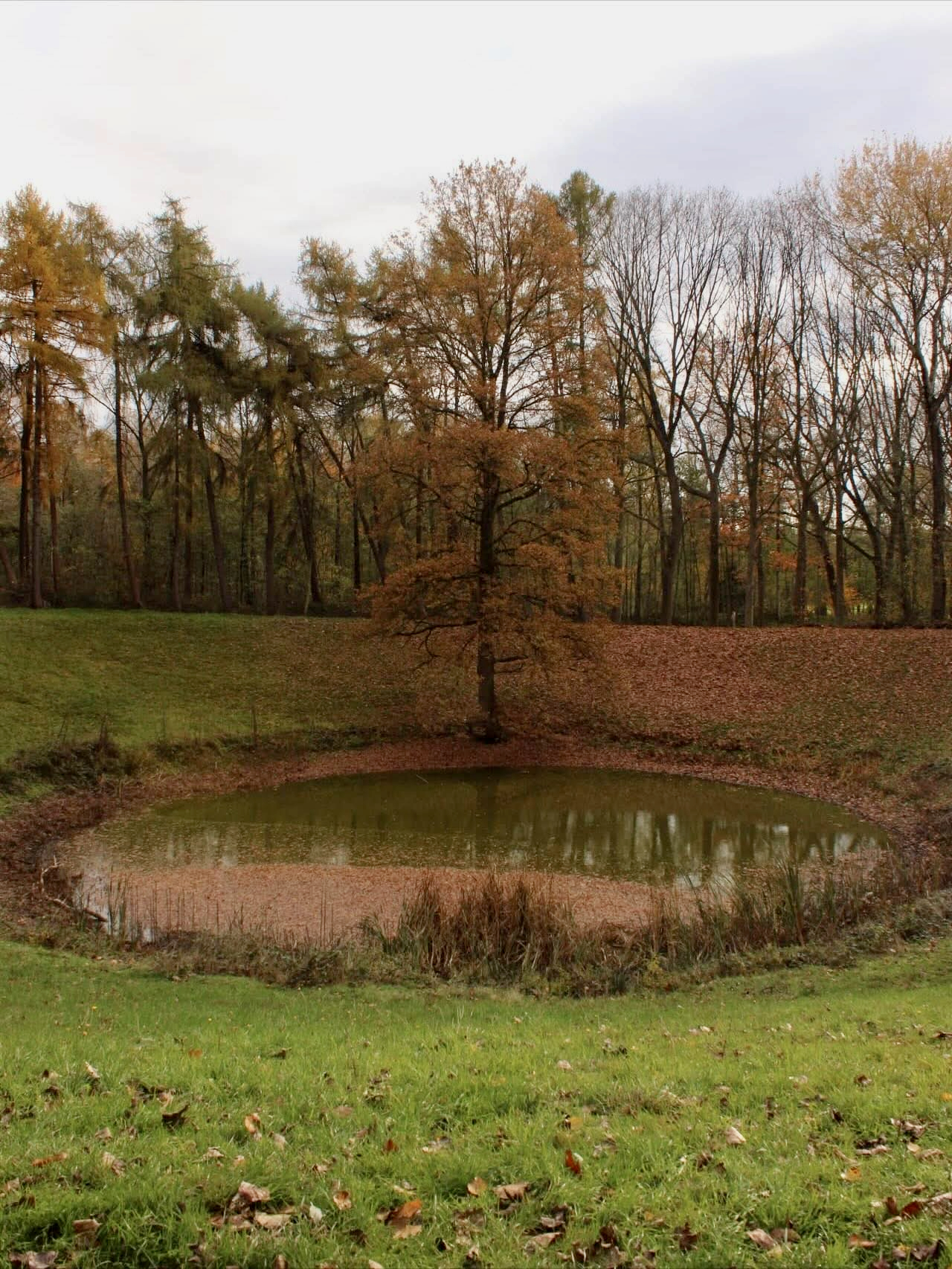
The cadets then moved to the Aid Station and Commonwealth War Grave site ‘Essex Farm’. This was the site that Canadian surgeon, Lt Col John McRae worked and wrote the famous war poem ‘In Flanders Fields’.
They then visited the graves of Private Thomas Barratt VC and were informed of the act of courage that saw Private Barratt to be posthumously awarded the Victoria Cross. They paid their respects to Private Valantine Joe Strudwick, who was killed in action aged only 15.
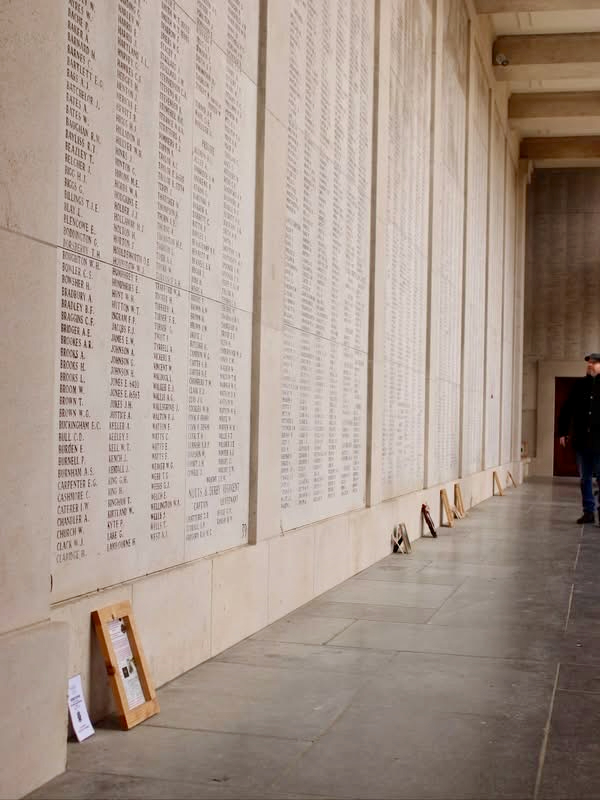
Having completed the tour for the day, we checked into the hotel and, after dinner, the cadets were taken to the Menin Gate for the evening ceremony. The Menin Gate is the memorial for the fallen with no known grave in the Ypres Salient. Each evening the Last Post is played and a silence observed.
"Without this grant, many cadets may not have been able to afford to attend."
Flight Lieutenant (RAFAC) Purvis, Officer Commanding 359 (Bexleyheath) Squadron
Day two
On day two, the cadets started the day with a tour of the Menin Gate where they were given the history of the gate and allowed time to look around. Then it was off to the Yorkshire Trench; a partly excavated British trench system where they were informed of life in the trenches and ‘going over the top’.
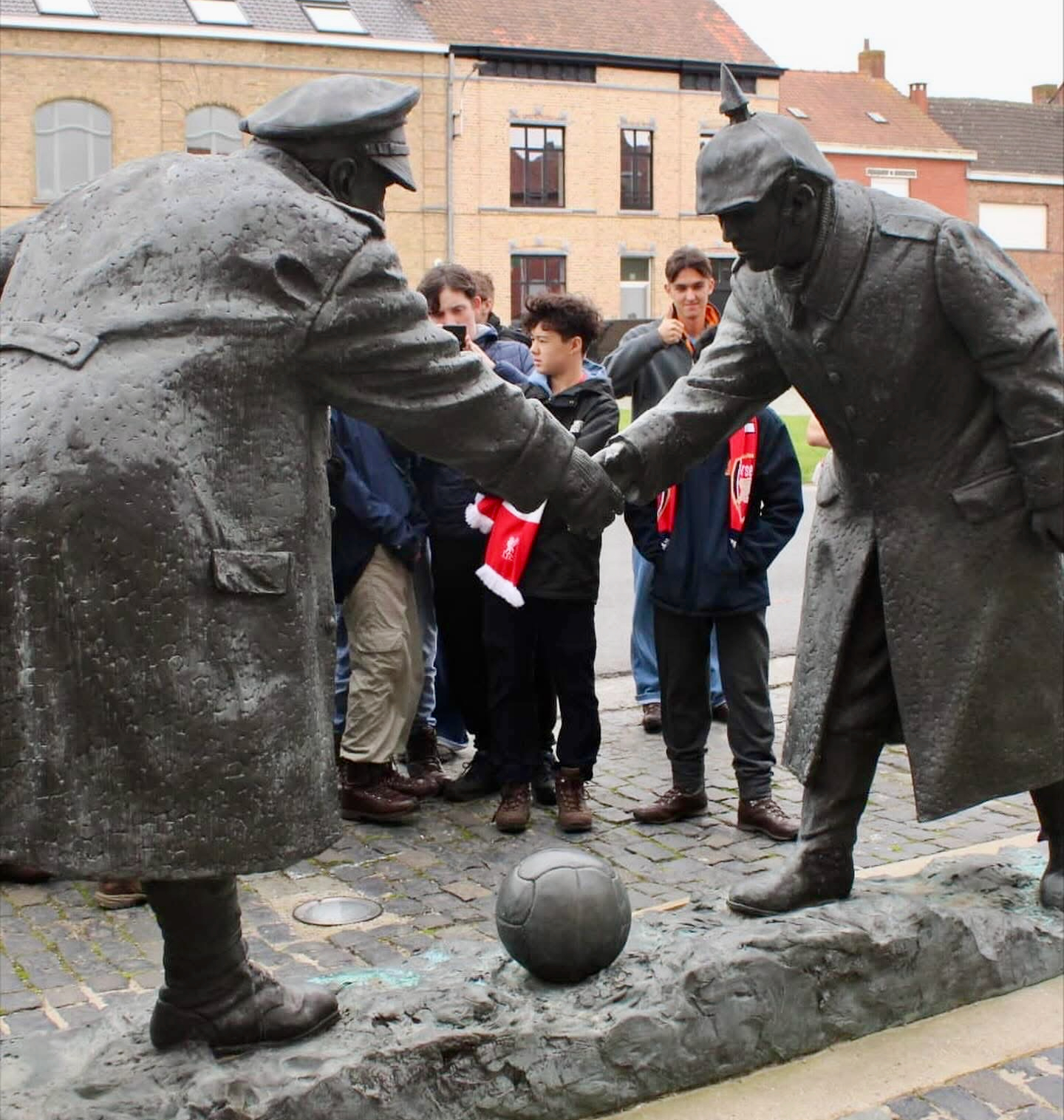
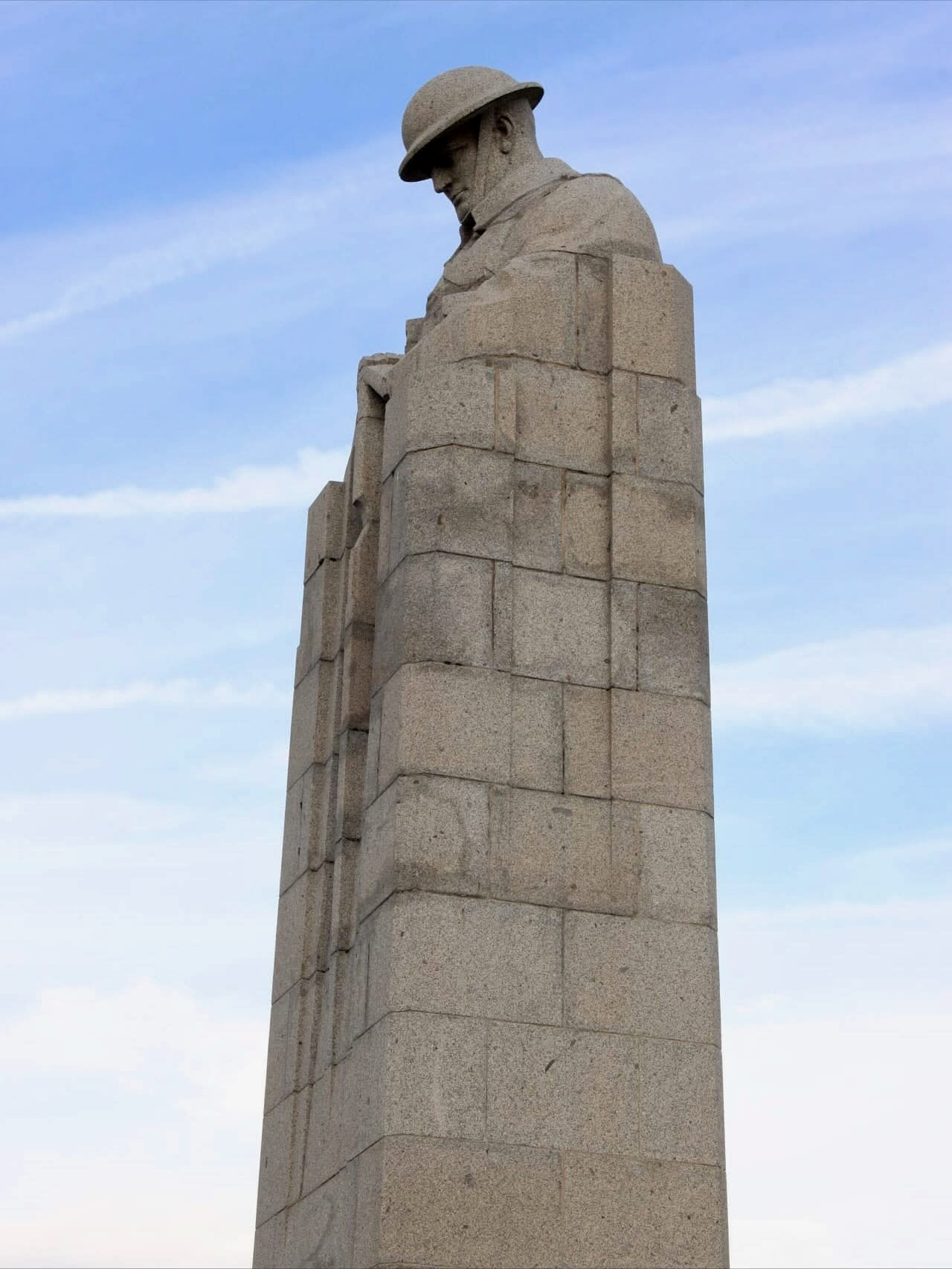
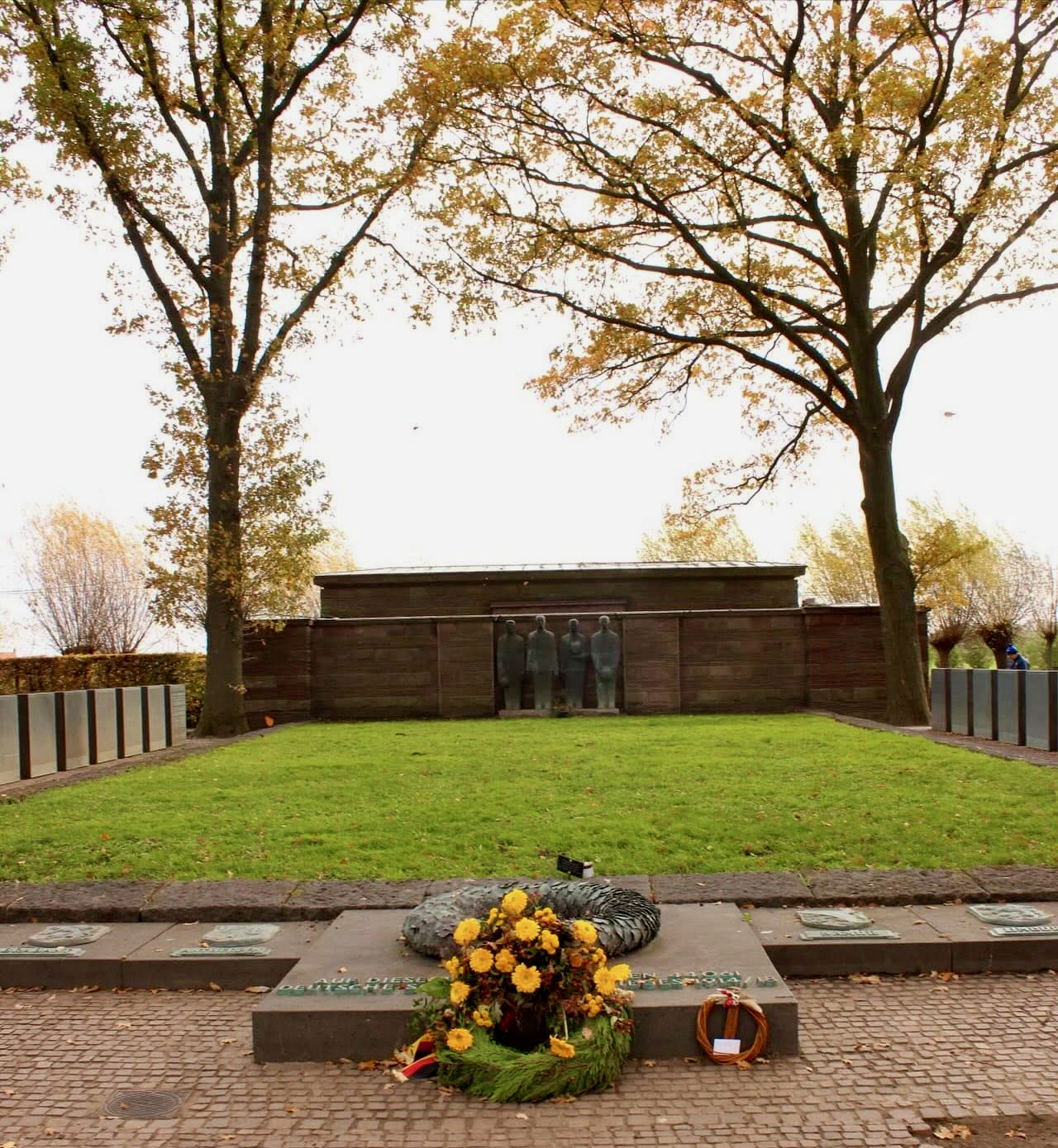
We then moved to Langemark German Military Grave site, the St Julien Memorial ‘Brooding Soldier’, Hill 60 and the Caterpillar Crater, and the Christmas Truce memorial at Plugestraat, which commemorates the famous 1914 Christmas Football match.
The cadets then went to Canada Farm, Passchendaele to learn about the infamous 3rd Battle of Ypres, known as the Battle of Passchendaele, followed by a visit to Brandhoek New Military Cemetery to visit the Grave of Captain Noel Chavasse Military Cross, Victoria Cross and Bar – the only war grave in the world with two Victoria Crosses engraved. They learned about the action that saw Captain Chavasse awarded a first Victoria Cross and the next action which saw him awarded a second (worn as a Bar on the first).
After returning to the hotel for dinner, the cadets once again visited the Menin Gate Ceremony before a quick visit to the chocolate shop!
Day three
The final day in Ypres was 11th November - Armistice Day. The cadets paraded through the Town of Ypres at the head of a large parade to the Menin Gate and acted as Wreath Bearers to the large number of VIPs. In the afternoon, the cadets were once again on Parade, this time at Tyne Cot Commonwealth War Grave site – the largest of its kind in the world. This parade saw the cadets, at the invitation of the British Embassy, march through Tyne Cot and line the VIP route.
Once the final parade was over, it was time for home. We travelled back to Calais, and Eurotunnel back to Folkestone, where the cadets were met by their parents. Very tired but very happy.
The cadets thoroughly enjoyed the trip and were a credit to the Region and the Corps.
by Flight Lieutenant (RAFAC) Purvis, Officer Commanding 359 (Bexleyheath) Squadron.
Impact
Experiences like this demonstrate the lasting value of charitable funding. By helping cadets access opportunities beyond their local squadrons, the Air Cadet Charity enables young people to develop confidence, broaden their horizons and gain skills and experiences that stay with them for life.